

Signs You Need a Water Softener in Central Ohio
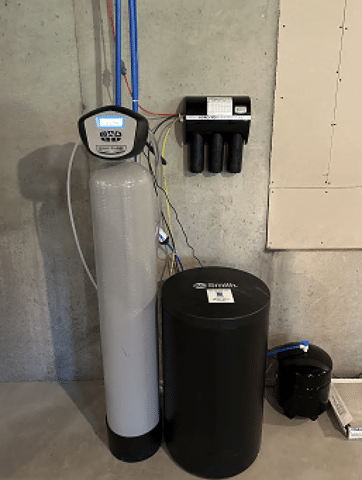
If you live in Central Ohio, there’s a strong chance your home has hard water. Cities like Columbus, Dublin, Hilliard, Westerville, Marysville, Delaware, and surrounding communities all experience moderate to very hard water levels due to naturally occurring calcium and magnesium in the aquifers.
Hard water is not considered a health risk, but it can cause ongoing issues inside your home. The key is knowing the signs before it leads to costly appliance repairs or plumbing problems.
This guide explains the most common signs you need a water softener in Central Ohio and what to do next.
Schedule a FREE Water Test Here
1. White Scale Buildup on Faucets and Fixtures
One of the most visible signs of hard water is white, chalky residue on:
-
Showerheads
-
Kitchen faucets
-
Bathroom sinks
-
Glass shower doors
This mineral buildup is called scale. Over time, scale can clog aerators, reduce water pressure, and shorten the life of plumbing components.
If you are constantly scrubbing white residue off fixtures, your water is likely hard.
2. Spots on Dishes and Glassware
If your dishwasher leaves cloudy spots or a filmy residue on glasses, hard water minerals are often the cause.
Calcium and magnesium remain on surfaces after water evaporates. Even with rinse aids, hard water can make dishes look dirty immediately after washing.
Softened water helps detergents work more effectively and prevents mineral spotting.
3. Dry, Itchy Skin and Dull Hair
Many homeowners in Central Ohio notice:
-
Dry skin after showering
-
Hair that feels brittle or hard to manage
-
Increased irritation for sensitive skin
Hard water does not rinse soap away completely. It leaves behind residue that can contribute to dryness and irritation.
Soft water allows soap to lather properly and rinse clean.
4. Reduced Water Heater Efficiency
Hard water minerals accumulate inside water heaters. Over time, this scale buildup:
-
Reduces heating efficiency
-
Increases energy bills
-
Shortens the lifespan of the unit
In Central Ohio, water heater repairs related to scale are common in homes without water softeners.
Protecting your water heater alone can justify the investment in softening equipment.
5. Frequent Plumbing Repairs
Scale can build up inside pipes, narrowing the diameter and restricting flow. This can lead to:
-
Reduced water pressure
-
Clogged fixtures
-
Premature valve failure
Homes with very hard water often experience more frequent plumbing maintenance over time.
6. Soap Doesn’t Lather Well
If you feel like you’re using more shampoo, body wash, or laundry detergent than you should, hard water may be the reason.
Hard water reacts with soap, reducing its effectiveness. This leads to:
-
Soap scum in showers
-
Stiff or scratchy laundry
-
Increased cleaning product usage
Softened water improves efficiency and reduces overall product costs.
7. Your Water Test Shows 7+ Grains Per Gallon
Water hardness is measured in grains per gallon (gpg).
General hardness scale:
-
0–3.5 gpg: Soft
-
3.5–7 gpg: Moderately hard
-
7–10.5 gpg: Hard
-
10.5+ gpg: Very hard
Many Central Ohio communities test between 7 and 12 gpg, which falls into the hard to very hard range.
If your water tests above 7 gpg, a water softener is typically recommended.
Why Hard Water Is So Common in Central Ohio
Ohio’s groundwater flows through limestone and mineral-rich rock formations. As water travels through these layers, it dissolves calcium and magnesium.
That means whether you are on municipal water or well water, hardness is common throughout the region.
The only way to know your exact hardness level is through proper testing.
Do You Need Just a Softener or More?
A water softener removes hardness minerals, but it does not remove:
-
Chlorine
-
Chloramines
-
PFAS
-
Dissolved solids
-
Iron or sulfur
That is why a full water test is important before selecting equipment. In some cases, homeowners benefit from a combination of:
-
Water softening
-
Whole-house carbon filtration
-
Reverse osmosis drinking water systems
Choosing the right solution depends on your specific water profile.
How to Know for Sure: Schedule a Water Test
Municipal water reports provide average numbers. They do not reflect:
-
Variations inside your home
-
Seasonal changes
-
Differences in well water
-
Plumbing interactions
A professional water test can determine:
-
Exact hardness level
-
Iron content
-
Disinfectant levels
-
Total dissolved solids
With accurate results, you can properly size a water softener for your home and avoid overspending on unnecessary equipment.
Protect Your Home from Hard Water Damage
If you are seeing scale buildup, dry skin, cloudy dishes, or rising appliance repair costs, hard water may already be affecting your home.
Installing a properly sized, high-quality water softener can:
-
Extend appliance life
-
Improve water comfort
-
Reduce cleaning time
-
Lower long-term maintenance costs
If you live in Central Ohio and suspect hard water issues, schedule a professional water test to determine the best solution for your home.