

Iron & Sulfur in Well Water: Common Problems in Rural Ohio
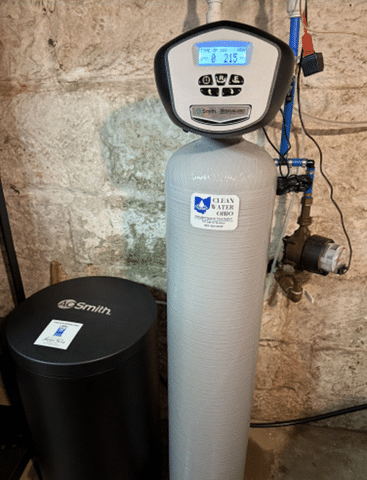
Iron & Sulfur in Well Water: Common Problems in Rural Ohio
Serving Bellefontaine, Marysville, Ada, Lima, and Surrounding Communities
If you live in rural Ohio, especially in areas like Bellefontaine, Marysville, Ada, Lima, and surrounding townships, iron and sulfur in well water are extremely common problems.
Many homeowners with private wells notice:
-
Orange or brown staining in sinks and tubs
-
Rotten egg smell from faucets
-
Metallic taste in drinking water
-
Black staining around fixtures
If this sounds familiar, your well water may contain elevated levels of iron, sulfur (hydrogen sulfide), or both.
This guide explains what causes these issues, how they affect your home, and the most effective treatment solutions for rural Ohio well water.
Schedule a FREE water test here!
Why Iron and Sulfur Are Common in Rural Ohio
Groundwater in West Central and Northwest Ohio flows through mineral-rich soil and rock formations. As water travels underground, it dissolves naturally occurring elements like:
-
Iron
-
Manganese
-
Sulfur compounds
Unlike city water, private wells are not treated before reaching your home. That means any minerals or gases in the groundwater come directly through your plumbing unless properly filtered.
In communities such as Bellefontaine, Marysville, Ada, and Lima, iron and sulfur are some of the most frequently reported well water concerns.
Signs of Iron in Well Water
Iron is one of the most common well water contaminants in Ohio.
Common Symptoms:
-
Orange, red, or brown stains in sinks and bathtubs
-
Rust-colored staining on laundry
-
Metallic taste in drinking water
-
Clogged fixtures and reduced water pressure
-
Slime buildup in toilet tanks
Iron is typically measured in parts per million (ppm). Levels above 0.3 ppm can begin causing visible staining.
Types of Iron in Well Water:
-
Clear Water (Ferrous) Iron – Dissolved iron that turns orange after exposure to air
-
Red Water (Ferric) Iron – Visible rust particles in water
-
Iron Bacteria – Slimy residue and musty odor
Proper treatment depends on which type is present.
Signs of Sulfur (Hydrogen Sulfide) in Well Water
Sulfur in well water typically appears as hydrogen sulfide gas.
Common Symptoms:
-
Rotten egg smell from faucets
-
Strong odor when running hot water
-
Black staining on fixtures
-
Corrosion of plumbing components
Hydrogen sulfide can occur naturally in groundwater or develop from bacteria inside plumbing systems or water heaters.
Even low levels can cause strong odors, making water unpleasant to use.
Is Iron or Sulfur Dangerous?
In most cases, iron and sulfur in well water are considered nuisance contaminants rather than direct health hazards. However, they can:
-
Damage plumbing and appliances
-
Shorten water heater lifespan
-
Cause persistent staining
-
Reduce water quality and comfort
Additionally, iron and sulfur may indicate other underlying water chemistry issues that should be evaluated through professional testing.
How to Remove Iron from Well Water in Ohio
Treatment depends on iron concentration and type.
Common Iron Removal Solutions:
-
Oxidation filtration systems
-
Air injection iron filters
-
Chemical-free catalytic media systems
-
Combination softener and iron filtration units (for lower levels)
Standard water softeners may remove small amounts of dissolved iron, but higher levels require dedicated iron filtration.
How to Remove Sulfur from Well Water
Hydrogen sulfide treatment typically involves:
-
Air injection oxidation systems
-
Catalytic carbon filtration
-
Specialized sulfur filters
Boiling water will not remove sulfur. In fact, heating can make the odor stronger.
Proper system sizing is critical to eliminate odor completely and prevent recurrence.
Why a Water Test Is Essential in Bellefontaine, Marysville, Ada, and Lima
Well water varies significantly from property to property — even between neighboring homes.
A professional water test will determine:
-
Iron concentration (ppm)
-
Type of iron present
-
Hydrogen sulfide levels
-
Hardness level
-
Manganese content
-
pH balance
-
Total dissolved solids
Without testing, homeowners risk installing the wrong equipment, which can lead to continued staining or odor issues.
Iron, Sulfur, and Hard Water Often Occur Together
In rural Ohio, it is common for well water to contain:
-
Hardness (calcium and magnesium)
-
Iron
-
Sulfur
-
Manganese
That is why many homes require a combination of:
-
Water softening
-
Iron filtration
-
Sulfur removal
-
Drinking water purification
Choosing a properly designed system ensures long-term performance and prevents recurring problems.
Protecting Your Well Water in Rural Ohio
If you live in:
-
Bellefontaine
-
Marysville
-
Ada
-
Lima
-
Logan County
-
Union County
-
Hardin County
-
Allen County
and are experiencing staining or odor issues, your well water likely contains iron, sulfur, or both.
The first step is accurate testing.
Clean Water Ohio provides professional well water testing and customized treatment solutions for rural homeowners. With the right filtration system, you can eliminate odors, prevent staining, protect appliances, and improve overall water quality.