

How Water Treatment Systems Save Ohio Homeowners Thousands of Dollars Over Time
When most homeowners think about water treatment, they think about cleaner drinking water, softer laundry, or better tasting coffee. While those benefits are certainly important, many people are surprised to learn that water treatment systems can actually save significant money over time.
Whether you have hard water, city water with chlorine, or concerns about contaminants in your drinking water, investing in the right water treatment system can reduce household expenses, protect appliances, and help avoid costly repairs.
Water Softeners Reduce Energy Costs
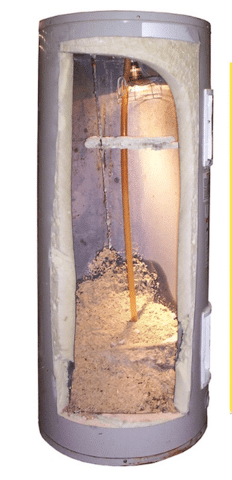
Hard water is one of the most common water quality issues across Ohio. Hard water contains high levels of calcium and magnesium that leave behind scale deposits inside water heaters, plumbing fixtures, dishwashers, washing machines, and other appliances.
As scale builds up, appliances become less efficient and require more energy to operate. Studies have shown that water heaters operating with softened water can maintain efficiency far better than those exposed to hard water buildup, helping homeowners reduce energy consumption and lower utility bills. In some cases, softened water can reduce water heating costs by more than 20 percent.
Since water heating is often one of the largest energy expenses in a home, even modest efficiency improvements can lead to meaningful savings year after year.
Extend the Life of Appliances
Replacing a water heater, dishwasher, washing machine, or plumbing fixture can be expensive. Hard water scale causes additional wear and tear on these systems, reducing their lifespan and increasing the likelihood of repairs.
A quality water softener helps prevent mineral buildup inside appliances and plumbing. By reducing scale accumulation, homeowners often experience fewer repairs, improved appliance performance, and longer equipment life.
Many homeowners find that avoiding just one major appliance replacement can offset a significant portion of the cost of a water treatment system.
Spend Less on Soap, Detergent, and Cleaning Products
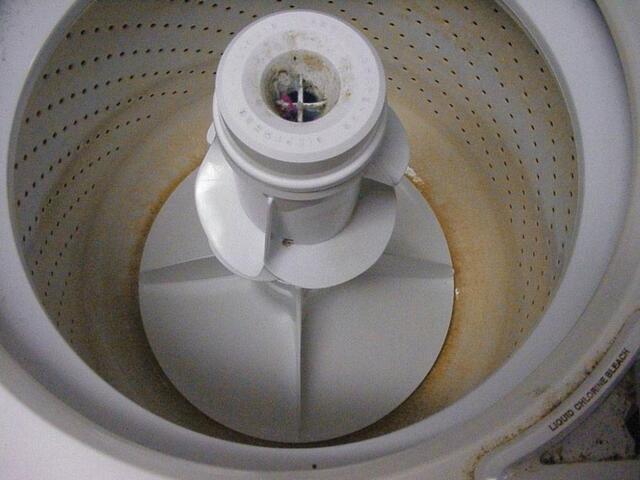
Hard water makes soaps and detergents less effective. As a result, homeowners often use more laundry detergent, dish soap, shampoo, body wash, and cleaning products than necessary.
Soft water allows soaps to lather more effectively and rinse more completely. Studies have found that households can significantly reduce detergent and soap usage after installing a water softener.
Over several years, those savings can add up while also helping clothes stay softer, dishes look cleaner, and bathrooms require less scrubbing.
Whole Home Water Filters Help Protect Plumbing and Fixtures
Many Ohio homeowners receive municipal water that contains chlorine and other treatment chemicals. While these chemicals are used to disinfect water, they can contribute to wear on plumbing components, fixtures, seals, and water-using appliances over time.
A whole home water filtration system helps reduce chlorine exposure throughout the home while improving water taste, odor, and overall quality. By reducing chemical exposure to plumbing fixtures and appliances, homeowners can potentially extend the life of various household components and reduce maintenance costs.
Many homeowners also notice less buildup on faucets, shower doors, and fixtures, reducing the need for specialty cleaning products and frequent replacement.
Reverse Osmosis Systems Can Reduce Bottled Water Expenses
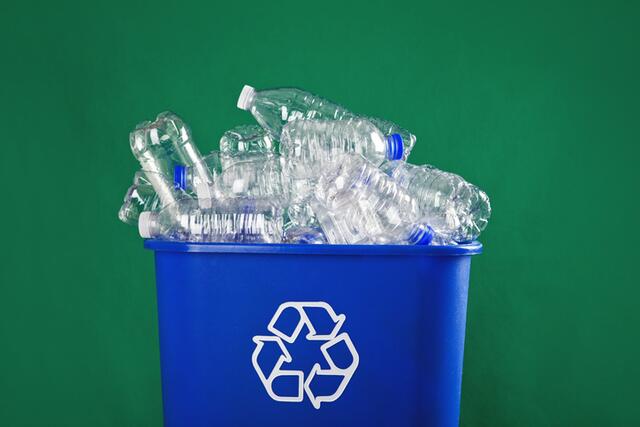
Many families purchase bottled water because they dislike the taste of their tap water or have concerns about contaminants.
A reverse osmosis drinking water system provides highly purified water directly from a dedicated faucet in your kitchen. These systems are designed to reduce a wide range of contaminants, allowing homeowners to enjoy clean drinking water without the ongoing expense of bottled water.
For families that regularly purchase bottled water, the savings from a reverse osmosis system can quickly add up over time while also reducing plastic waste.
Fewer Plumbing Repairs
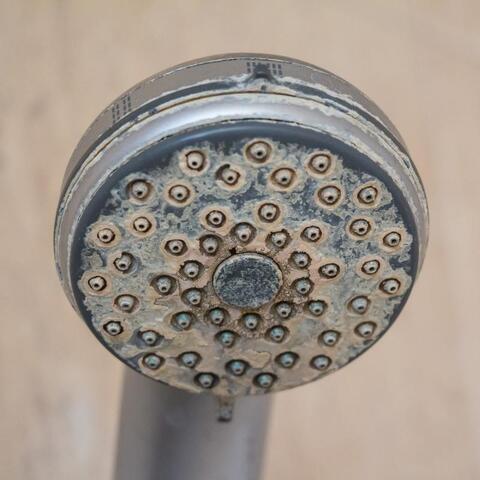
Scale buildup from hard water does not only affect appliances. It can also accumulate inside pipes, fixtures, showerheads, and valves. Over time, these deposits restrict water flow and may contribute to plumbing issues that require service calls or repairs.
A properly sized water softener helps keep plumbing systems cleaner by preventing new scale buildup and reducing the long-term effects of hard water. Homeowners often experience fewer maintenance issues and improved water flow throughout the home.
Water Treatment Is an Investment, Not Just an Expense
While water treatment systems require an upfront investment, many homeowners discover that the long-term savings outweigh the initial cost. Lower utility bills, fewer repairs, reduced cleaning product purchases, extended appliance life, and reduced bottled water expenses can all contribute to substantial savings over the life of the equipment.
For Ohio homeowners dealing with hard water, chlorine, sediment, or drinking water concerns, a properly designed water treatment system can provide both improved water quality and long-term financial benefits.
If you're curious about your home's water quality, Clean Water Ohio offers free water testing and consultations to help determine which solutions may be right for your home.
Learn more or request your free water test at www.cleanwaterohio.com or call 1-419-420-5939.