

Why Is My Hot Water Hotter After Installing a New Water Softener?
Why Is My Hot Water Hotter After Installing a New Water Softener?
Have you recently installed a new water softener and noticed that your hot water seems hotter than it did before? Maybe your showers feel warmer, your hot water lasts longer, or your water heater seems to keep up better when multiple people are using hot water or you use it for longer periods of time.
You're not alone! This is something homeowners may notice after improving their home's water quality.
One of the biggest benefits of softened water is how it helps your water heater operate more efficiently and maintain consistent temperatures. By preventing mineral buildup inside the tank and on heating elements, a water softener can help your water heater deliver the hot water it's designed to produce.
But how does removing hardness minerals affect your hot water? Let's take a closer look.
1. Hard Water Makes Your Water Heater Work Harder
Throughout Ohio, hard water is a common issue for homeowners. Hard water contains dissolved minerals, primarily calcium and magnesium, that can cause problems throughout your home's plumbing system.
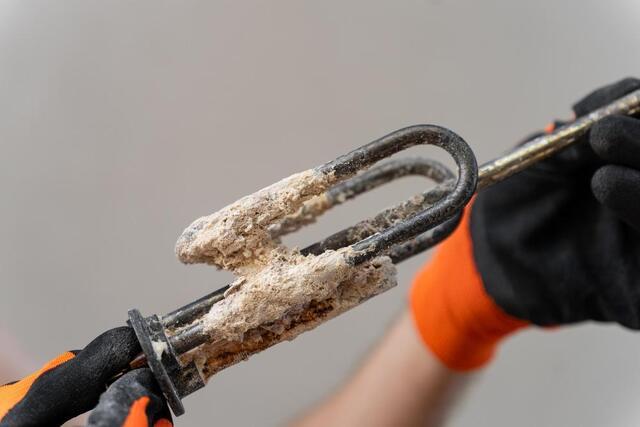
When hard water enters your water heater and is heated, these minerals can form solid deposits known as scale.
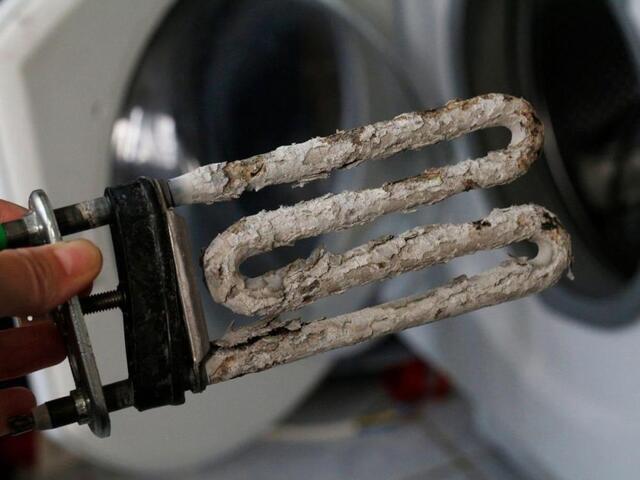
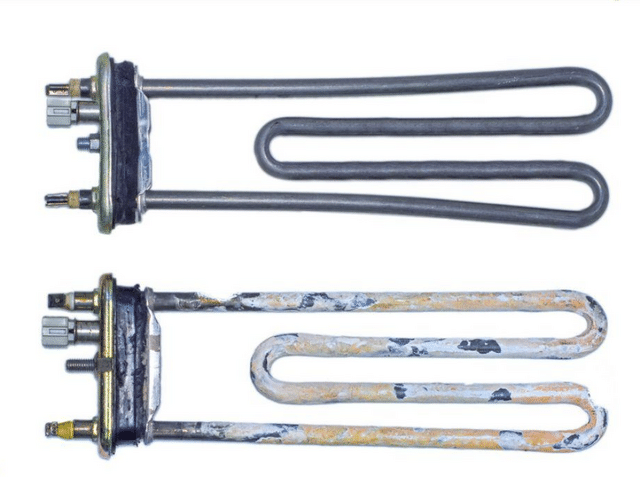
Over time, this mineral buildup accumulates along the bottom of the water heater tank, on electric heating elements, and on other internal heating surfaces.
Think of it like the white, crusty buildup you might see around faucets or shower heads. Now imagine that same buildup accumulating inside your water heater over several years.
This buildup can create several problems:
-
Reduced heat transfer from heating components to the water
-
Longer heating times and slower recovery
-
Increased energy consumption
-
Reduced hot water capacity
-
Inconsistent hot water temperatures
-
Additional strain on heating elements and other components
The harder your water is, the greater the potential for mineral scale to accumulate inside your water heater.
2. Mineral Buildup Can Prevent Your Water Heater From Maintaining Its Temperature
Your water heater is designed to heat water to a specific temperature and maintain that temperature as hot water is used and replaced.
For example, if your water heater is set to 120°F, its heating system works to bring the water up to that temperature.
However, as mineral scale builds up inside the tank and on heating elements, it can interfere with how efficiently heat transfers into the water.
In an electric water heater, scale can coat the heating elements, making it more difficult for heat to transfer efficiently into the surrounding water.
In a gas water heater, sediment buildup along the bottom of the tank can interfere with heat transfer from the burner.
As a result, your water heater may take longer to heat incoming cold water, especially during periods of high demand.
This can lead to situations where your water heater struggles to maintain its intended temperature as hot water is being used.
For example, if multiple family members shower back to back, an older water heater or water heater affected by mineral buildup may struggle to recover quickly enough.
The result can be water that gradually becomes cooler as the available hot water is depleted.
A water heater with clean heating surfaces and properly functioning components can generally recover more effectively and maintain its intended temperature more consistently.
3. How a Water Softener Helps Your Water Heater Maintain Hotter, More Consistent Water
This is where installing a whole home water softener can make a significant difference.
A water softener removes calcium and magnesium through a process called ion exchange before the water enters your water heater.
By removing these hardness minerals, softened water dramatically reduces the potential for new scale to form inside the tank and on heating components.
This helps your water heater operate closer to its intended efficiency over time.
Benefits include:
-
Better heat transfer: Cleaner heating surfaces allow heat to transfer into the water without additional mineral scale acting as a barrier.
-
More consistent temperatures: Maintaining heating performance helps your water heater keep up with household hot water demand.
-
Faster recovery: Preventing scale related efficiency losses helps your water heater heat replacement water effectively.
-
Less strain on heating components: Reduced mineral accumulation helps protect electric heating elements and other components.
-
Improved energy efficiency: Preventing scale buildup can reduce unnecessary energy consumption.
Does This Actually Make Your Hot Water Hotter?
Potentially, but there's an important distinction.
A water softener doesn't directly increase the temperature setting on your water heater. Instead, it helps prevent the mineral buildup that can interfere with your water heater's ability to maintain that temperature.
If a water heater has been struggling to keep up with hot water demand because of mineral buildup, restoring its heating performance through appropriate maintenance can result in better performance.
For homeowners with relatively clean water heaters, the most noticeable benefits may develop over time as the softener prevents the scale that would otherwise accumulate.
4. Water Softeners Can Help Improve Water Heater Efficiency
One of the most overlooked benefits of a water softener is the impact it can have on your home's energy consumption.
Water heating is one of the largest energy expenses in a typical household.
When mineral buildup accumulates inside a water heater, it can reduce heating efficiency and increase the energy required to produce hot water.
Research conducted by the Battelle Memorial Institute for the Water Quality Research Foundation has demonstrated that hard water scale can significantly affect water heater efficiency and performance.
Some industry research and estimates cite efficiency improvements or energy savings of up to 40% under certain conditions, although actual results vary considerably depending on the water heater, water hardness, and amount of existing scale.
The biggest takeaway is simple:
A water heater operating with softened water is better protected against the efficiency losses caused by mineral buildup.
Instead of allowing scale to accumulate year after year, a water softener helps keep heating surfaces cleaner and reduces the likelihood of mineral-related performance problems.
Over the life of your water heater, this can translate into lower operating costs, reduced maintenance, and more reliable hot water.
5. What Happens to the Existing Buildup After Installing a Water Softener?
This is an important question, especially if you've recently installed a water softener but have an existing water heater.
If your water heater already contains significant sediment buildup, those deposits may continue affecting its performance.
Depending on the condition of the water heater, professional flushing, descaling, or other maintenance may be necessary to restore performance. Soft water will help break free some of the existing buildup though.
For homeowners installing a water softener alongside a new water heater, the benefits are especially valuable.
Your new water heater starts with clean heating surfaces, and the water softener helps keep them that way.
This combination helps protect the equipment and maintain efficient operation for years to come.
6. Tankless Water Heaters Benefit From Softened Water, Too
While traditional tank style water heaters can accumulate sediment and scale, tankless water heaters are also vulnerable to hard water.
Tankless systems heat water as it flows through a compact heat exchanger.
Because these heat exchangers operate at elevated temperatures, hardness minerals can accumulate on their internal surfaces.
Over time, this buildup can restrict water flow, reduce heating efficiency, and contribute to temperature fluctuations.
In severe cases, scale buildup can cause a tankless water heater to require maintenance or shut down due to performance issues.
Installing a water softener before a tankless water heater helps reduce scale formation and protect the heat exchanger.
This can help maintain:
-
Consistent hot water temperatures
-
Proper water flow
-
Efficient heat transfer
-
Reliable system performance
-
Reduced scale related maintenance requirements
Whether your home uses a traditional tank or a tankless water heater, softened water can play an important role in protecting your investment.
7. Why Your Shower May Feel Hotter After Installing a Water Softener
Beyond water heater performance, you may also notice a difference in how softened water feels on your skin.
Hard water minerals interfere with soaps and shampoos, often leaving behind residue that makes skin and hair feel dry or coated.
Softened water allows soaps and shampoos to lather more effectively and rinse differently, which can make your shower experience feel noticeably different.
Some homeowners describe their showers as feeling warmer or more comfortable after switching to softened water.
However, this doesn't necessarily mean the actual water temperature has increased.
If your hot water feels significantly hotter after installation, checking the temperature with a thermometer is the best way to determine whether there's been an actual change.
For many households, a delivered hot water temperature around 120°F is commonly recommended to help reduce the risk of scalding.
Frequently Asked Questions
Can installing a water softener make my hot water hotter?
A water softener doesn't directly heat water or increase your water heater's thermostat setting. However, preventing mineral buildup helps preserve heating efficiency and temperature consistency. This can help your water heater maintain its intended temperature more reliably.
Does hard water make your water heater less efficient?
Yes. Hard water can cause calcium and magnesium scale to accumulate inside water heaters. This buildup can interfere with heat transfer, increase energy consumption, and reduce heating performance over time.
Will a water softener make my hot water last longer?
A water softener can help preserve your water heater's ability to recover efficiently by preventing scale buildup. However, it doesn't increase the physical capacity of your water heater. The amount of available hot water still depends on tank size, recovery rate, temperature settings, and household demand.
Is a water softener worth installing if I have a new water heater?
Absolutely. Installing a water softener when you have a new water heater helps prevent hardness scale from accumulating in the first place. This can protect heating components, maintain efficiency, and reduce scale-related maintenance over the equipment's lifespan.
Protect Your Water Heater With Clean Water Ohio
Your water heater is one of the hardest working appliances in your home, and the quality of the water entering it can make a significant difference in how efficiently it operates.
Hard water can cause mineral buildup that interferes with heat transfer, slows recovery, and contributes to higher operating costs.
A properly installed water softener helps prevent those problems before they start.
At Clean Water Ohio, we specialize in professional water treatment solutions designed to improve your home's water quality and protect your plumbing and appliances.
Our professional grade AO Smith and WaterCare water softeners help remove hardness minerals before they reach your water heater, allowing your equipment to maintain efficient heating performance without additional scale accumulating year after year.
Whether you're experiencing hard water problems, mineral buildup, or inconsistent hot water performance, our team can help determine whether water quality is contributing to the issue.
Not sure how hard your water is? Let's find out!
Contact Clean Water Ohio today to schedule a free water analysis and learn how softened water can help protect your water heater and the rest of your home.
Call 1-419-420-5939 or visit www.cleanwaterohio.com to schedule your free water test.