

Why Water Treatment Systems Sometimes Get Blamed When Sump Pumps Fail During Heavy Rain
Why Water Treatment Systems Sometimes Get Blamed When Sump Pumps Fail During Heavy Rain
In Central Ohio, heavy rainstorms are common—especially in the spring and early summer. During these periods of intense rainfall, many homeowners experience sump pump failures or basement flooding. When this happens, water treatment systems installed in the same utility area often get blamed as the cause.
In reality, water softeners, whole-home filtration systems, and reverse osmosis systems rarely cause sump pump failures. However, because they share drainage infrastructure with sump pumps, they can sometimes be incorrectly associated with the problem.
Understanding how these systems work together can help homeowners avoid confusion and ensure their home is properly protected.
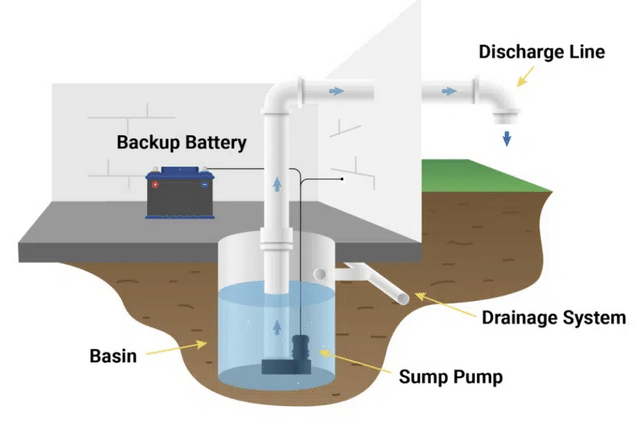
Why Water Treatment Systems Drain Water
Most whole-home water treatment systems use a regeneration or backwash cycle to clean the system and maintain performance.
Examples include:
-
Water softeners regenerating resin with salt brine
-
Carbon filters performing backwash cycles
-
Iron or sulfur filters flushing collected contaminants
During these cycles, the system sends wastewater to a drain. In many homes, especially in Ohio basements, that drain line is routed into a sump pit because it provides a convenient way to discharge water.
This setup is standard practice and is widely used across the water treatment industry.
What Happens During Heavy Rainfall
When Central Ohio receives significant rainfall, the sump pump has to handle large volumes of groundwater entering the sump pit through the home’s foundation drainage system.
During these times, several things can happen:
1. The Sump Pump Runs Continuously
Heavy rain can cause sump pumps to run nonstop for hours or even days. If the pump is older or undersized, it may overheat or wear out faster. Even newer pumps can fail within 1 year in certain cases.
When the pump eventually fails, homeowners sometimes assume the water treatment system contributed to the issue simply because its drain line also enters the pit.
2. Power Outages During Storms
Storms often cause power outages. Since most sump pumps rely on electricity, they stop working immediately when power is lost.
Because water treatment equipment is nearby, homeowners sometimes assume the system interfered with the pump when the real issue was simply loss of electrical power.
3. Sump Pumps That Are Already Near Capacity
In some homes, sump pumps are barely able to keep up during normal rainfall.
When extreme rain events occur, the pump may already be operating at its maximum capacity. Even though a water treatment system may only discharge water occasionally, homeowners sometimes believe the additional water caused the failure—even though the primary issue is that the sump pump system was undersized or aging.
How Much Water Treatment Systems Actually Discharge
Many homeowners are surprised to learn that water treatment systems typically discharge very small amounts of water compared to storm runoff.
For example:
-
A water softener regeneration cycle may use 30–70 gallons of water.
-
A carbon filter backwash cycle might discharge 50–100 gallons, usually only once every few days.
-
Meanwhile, a sump pump during a heavy rainstorm may move thousands of gallons per hour.
Because the volume of stormwater is dramatically larger, water treatment equipment rarely plays a meaningful role in sump pump overload situations.
Why the Blame Often Falls on Water Treatment Systems
There are several reasons water treatment equipment gets blamed when sump pumps fail:
1. The systems share the same space.
Both are typically installed in the basement utility area.
2. The drain lines often connect to the sump pit.
Homeowners see water entering the pit and assume it caused the issue.
3. The timing can appear suspicious.
If a regeneration cycle happens around the same time as heavy rain, it can look like the system caused the flooding.
In most cases, however, the real problem is stormwater volume, aging pumps, or lack of backup systems.
Best Practices to Prevent Basement Water Issues
To protect your home during heavy rainfall, homeowners should focus on sump pump reliability rather than eliminating water treatment systems.
Recommended precautions include:
1. Install a Backup Sump Pump
Battery backup or water-powered backup pumps keep the system running during power outages.
2. Maintain the Primary Pump
Sump pumps should be inspected regularly and replaced every 2-3 years depending on usage.
Ensure Proper Pump Capacity
Homes in areas with high groundwater may require larger or dual-pump systems.
The Bottom Line
Water treatment systems are often blamed when sump pumps fail during heavy rain, but the reality is that these systems typically discharge very small amounts of water compared to the massive volumes created by storm runoff.
In most cases, sump pump failures occur due to:
-
Extreme rainfall
-
Aging or undersized pumps
-
Power outages
-
Lack of backup systems
With proper installation and drainage setup, water treatment systems and sump pumps can operate together without causing problems.